
DJI Avata Firmware Update: What It Means for FPV Pilots and Why Routine Updates Matter
By RobotWorld·10/25/2026
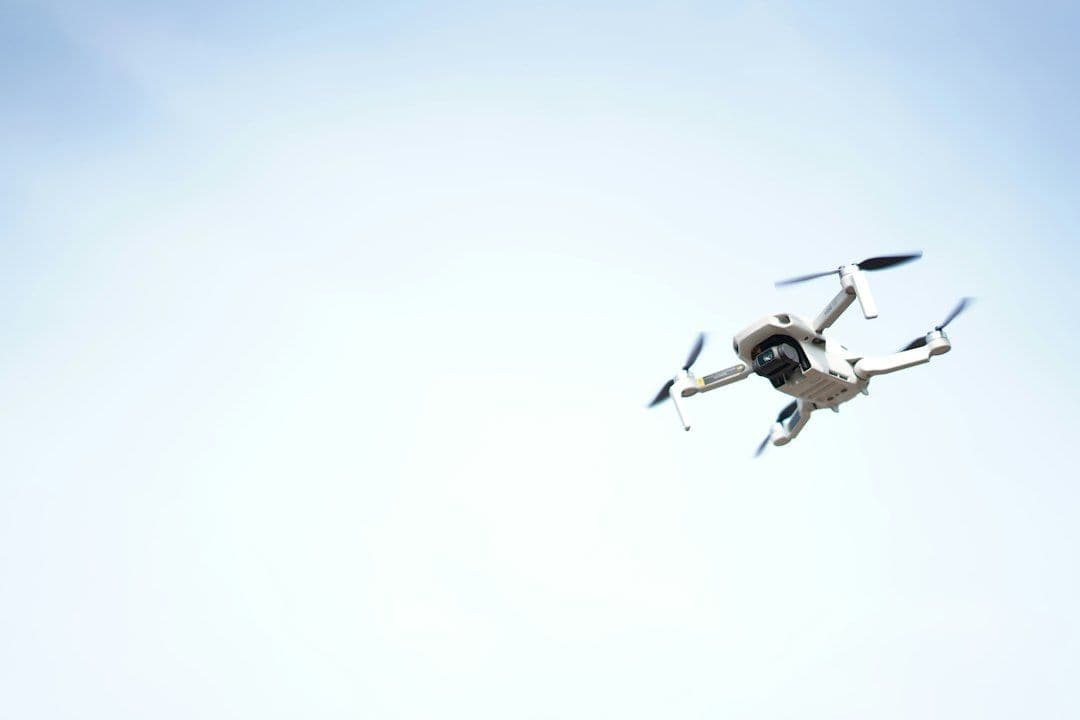
DJI has pushed out a fresh firmware update for the Avata, its popular first-person view (FPV) drone. While the release notes aren't headlined by a dramatic new feature, the update is a timely reminder of something every drone pilot should take seriously: keeping your aircraft's software current is not optional maintenance — it's a core part of responsible flying.
What the Avata Is, and Who It's Built For
The DJI Avata occupies a distinct space in the consumer drone market. Where camera drones like the Mini series are designed for stable, cinematic altitude holds and sweeping landscape shots, the Avata is built for pilots who want to feel every turn. Flown with immersive FPV goggles and an intuitive motion controller, it delivers a visceral, cockpit-level flying experience — weaving through forests, threading gaps between structures, or carving sharp arcs around subjects at speed.
Its built-in propeller guards make it more forgiving than a traditional freestyle FPV quad, lowering the barrier for pilots stepping into immersive flying for the first time. That combination of accessibility and agility has made it a firm favourite among content creators, freestyle enthusiasts, and pilots making the leap from camera drones to FPV.
Why Firmware Updates Matter More Than You Might Think
It's tempting to dismiss a firmware update when the changelog doesn't announce a headline feature. But under the surface, these releases routinely carry changes that meaningfully affect how your drone performs and how safely it operates.
Flight stability and control refinement. Modern drones rely on continuously tuned flight control algorithms. Small adjustments to how the Avata's processor interprets stick inputs, manages motor output, or compensates for wind can add up to noticeably smoother footage and more predictable handling — especially at the edge of the flight envelope where FPV pilots often operate.
Bug fixes and edge-case corrections. Complex embedded systems accumulate quirks. Firmware updates close gaps that may only surface in specific conditions: a particular combination of controller inputs, battery charge level, or environmental temperature. Even if you've never encountered a given bug, the fix reduces the probability you ever will.
Compatibility with the broader ecosystem. DJI's drones communicate with goggles, controllers, and the DJI Fly app as an integrated system. When any one component receives an update, other components in the chain may need to follow to maintain clean communication. Skipping an update on the aircraft while the goggles or app have moved ahead can introduce unexpected behaviour.
Regulatory and safety compliance. Aviation regulators in many regions require that drones operate on manufacturer-approved software. Staying current keeps you on the right side of local rules without any extra effort.
How to Apply the Update
The process is straightforward. Open the DJI Fly app, connect your controller and power on the Avata, and the app will flag any pending firmware update. Follow the on-screen prompts, keep the aircraft powered and stationary during the installation, and allow the process to complete fully before your next flight. It's a good habit to check for updates before every session, not just when a headline pushes the news.
Ensure the battery is sufficiently charged before starting — a firmware update interrupted by a low battery can leave the aircraft in an inconsistent state that requires additional steps to resolve.
The Bigger Picture: FPV Flying Is Evolving Fast
The Avata update arrives at a moment when FPV flying is maturing rapidly as a segment. What was once the territory of experienced builders soldering their own frames is increasingly accessible to a broader audience, and manufacturers are investing accordingly in software refinement, safety features, and ecosystem integration.
For pilots exploring immersive FPV flight, the DJI Avata 2 represents the current generation of DJI's guarded FPV platform — combining the approachable, goggle-and-motion-controller experience with refined flight performance and the kind of ongoing firmware support that keeps the aircraft improving over its lifetime. It's a compelling option for creators who want the rush of FPV without abandoning the reliability of a well-supported ecosystem.
For those who prefer a less intense entry point but still want smart subject tracking and creative autonomy, the DJI Flip offers a fully guarded, beginner-friendly design with one-tap shot modes — a natural stepping stone before committing to full FPV.
Keep It Current, Keep It Flying
Firmware updates rarely make headlines on their own, but they are the quiet infrastructure that keeps your aircraft performing as intended, flight after flight. Whether you're an occasional weekend flier or a creator who logs hours every week, treating each update as a routine pre-flight task — rather than an optional extra — is simply good airmanship.
When the DJI Fly app prompts you to update your Avata, take the few minutes. Your future self, mid-gap at speed with clean, stable footage rolling in, will appreciate it.
References
This article was drafted with AI assistance and reviewed before publishing.
Related reading
- DronesDJI Neo and Neo 2 Firmware Update: What It Means for Your Palm-Sized Drone
- DronesDJI Firmware Updates for Mini 5 Pro, Air 3S, and Mavic 4 Pro: What They Mean for Drone Operators
- DronesHow Drones Are Beating London Traffic to Deliver Critical Medical Samples
- DronesSkyeBrowse's New Tools Are Changing How Drone Mapping Teams Work