
IFA 2026: What the Potensic Atom 3 Tells Us About the Future of Compact Travel Drones
By RobotWorld·9/9/2026
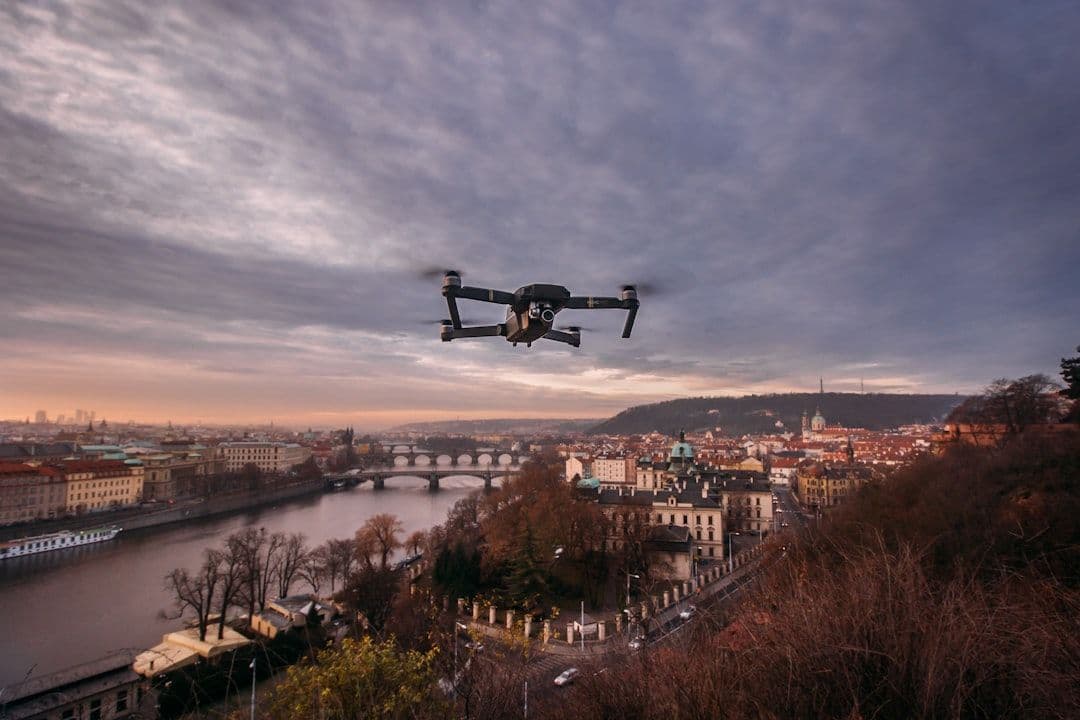
Every year, IFA Berlin acts as a barometer for where consumer technology is heading. For the drone industry, the signal coming out of IFA 2026 is clear: compact, travel-friendly camera drones are not slowing down. Potensic — now appearing at the show for the third consecutive year — used its platform to put the Atom 3 front and center, targeting a growing audience of travelers, outdoor adventurers, and newcomers to aerial content creation.
So what does this launch actually mean, and why does the compact drone segment keep gaining momentum?
The Compact Drone Market Is Maturing — Fast
A few years ago, small drones were largely considered "beginner toys" — lower-resolution cameras, limited flight intelligence, and frustrating flying experiences. That perception has eroded substantially. Today, the sub-250-gram class (a weight threshold significant in many countries because it often reduces regulatory burden) has become home to genuinely capable imaging machines.
Potensic's repeated presence at IFA reflects a broader industry truth: the consumer market increasingly demands portability without compromise. Travelers don't want to check a separate bag for their camera gear. Weekend hikers want a drone that fits in a jacket pocket. Content creators shooting solo need a device that practically flies itself. The Atom 3 appears designed with all three of these users in mind.
What Makes the Atom 3 Worth Watching
While full technical specifications for the Atom 3 are still being detailed by Potensic, the drone's positioning at IFA tells us a great deal about its intended design philosophy. The emphasis on a "long list of features" aimed at creators and first-timers suggests the Atom 3 leans heavily into automated shooting modes, subject tracking, and simplified controls — the kinds of capabilities that lower the barrier to getting a cinematic-quality shot without years of piloting practice.
This mirrors a broader trend in the segment. Drones in this category increasingly compete not just on raw camera specs, but on intelligent flight modes that do the heavy lifting for the user. Think automatic point-of-interest orbiting, gesture-triggered shots, and one-tap panoramas. For someone picking up aerial photography for the first time, these features are transformative.
Potensic's track record with the original Atom line also suggests the Atom 3 will prioritize wind resistance and stable hovering — practical necessities for travel shooting in unpredictable outdoor conditions.
Why IFA? Strategic Visibility for a Growing Brand
Choosing IFA as a launch platform is a deliberate strategic move for a brand like Potensic. IFA draws an international audience of consumers, retailers, and media — making it an ideal stage for a drone maker that wants to expand its footprint beyond early-adopter tech communities and into mainstream retail.
Returning for a third consecutive year reinforces brand consistency. It signals that Potensic isn't a one-hit wonder chasing a trend, but a company building a sustained product roadmap. In a market segment dominated by well-funded incumbents, that kind of visibility at a major show matters.
The Competitive Landscape: Where Atom 3 Fits
The compact drone space is genuinely competitive. At the top of the sub-250 g class sits the DJI Mini 4 Pro, which combines a large imaging sensor with omnidirectional obstacle avoidance — a tough benchmark for any rival. For pure entry-level accessibility, options like the DJI Mini 4K and the ultra-simple DJI Neo cater to buyers who prioritize ease of use and portability above all else.
Potensic's play with the Atom 3 appears to be carving out a value-conscious middle ground: a drone that delivers meaningful creative tools and capable imaging without the premium price tag of the segment's best-known names. For budget-aware first-time buyers who want more than a basic flier, that positioning could resonate strongly.
What This Means for Buyers
If you're in the market for a compact travel drone in 2026, the Atom 3's debut is a healthy reminder that competition in this category is thriving — and that benefits you as a consumer. More capable drones are reaching lower price points, automated shooting intelligence is becoming standard rather than premium, and even newer brands are being held to a higher bar on build quality and user experience.
For travelers and outdoor creators specifically, the decision increasingly comes down to ecosystem preference, budget, and the specific shooting scenarios you care about most. A solo vlogger orbiting a mountain summit needs different things than a couple wanting a few vacation clips — and the current crop of compact drones offers options for both.
Looking Ahead
Potensic's IFA 2026 appearance with the Atom 3 underscores a simple but important point: the democratization of aerial imaging is ongoing. What once required a bulky, expensive rig is now achievable with a device that slips into a daypack. As camera sensors improve, AI-driven flight assistance matures, and battery efficiency climbs, the gap between "beginner drone" and "professional results" will continue to narrow.
Whether the Atom 3 earns a spot on your shortlist will depend on the full specs Potensic reveals in the coming weeks — but its debut at IFA ensures it arrives with genuine attention. Keep an eye on this one.
Interested in exploring compact camera drones or comparing models for your next adventure? Browse our full drone lineup to find the right fit for your flying style.
References
This article was drafted with AI assistance and reviewed before publishing.
Related reading
- DronesDJI Neo and Neo 2 Firmware Update: What It Means for Your Palm-Sized Drone
- DronesDJI Firmware Updates for Mini 5 Pro, Air 3S, and Mavic 4 Pro: What They Mean for Drone Operators
- DronesHow Drones Are Beating London Traffic to Deliver Critical Medical Samples
- DronesSkyeBrowse's New Tools Are Changing How Drone Mapping Teams Work