
Uber vs. Waymo: Why the Robotaxi Policy Battle in Washington Matters for the Future of Autonomous Mobility
By RobotWorld·7/21/2026
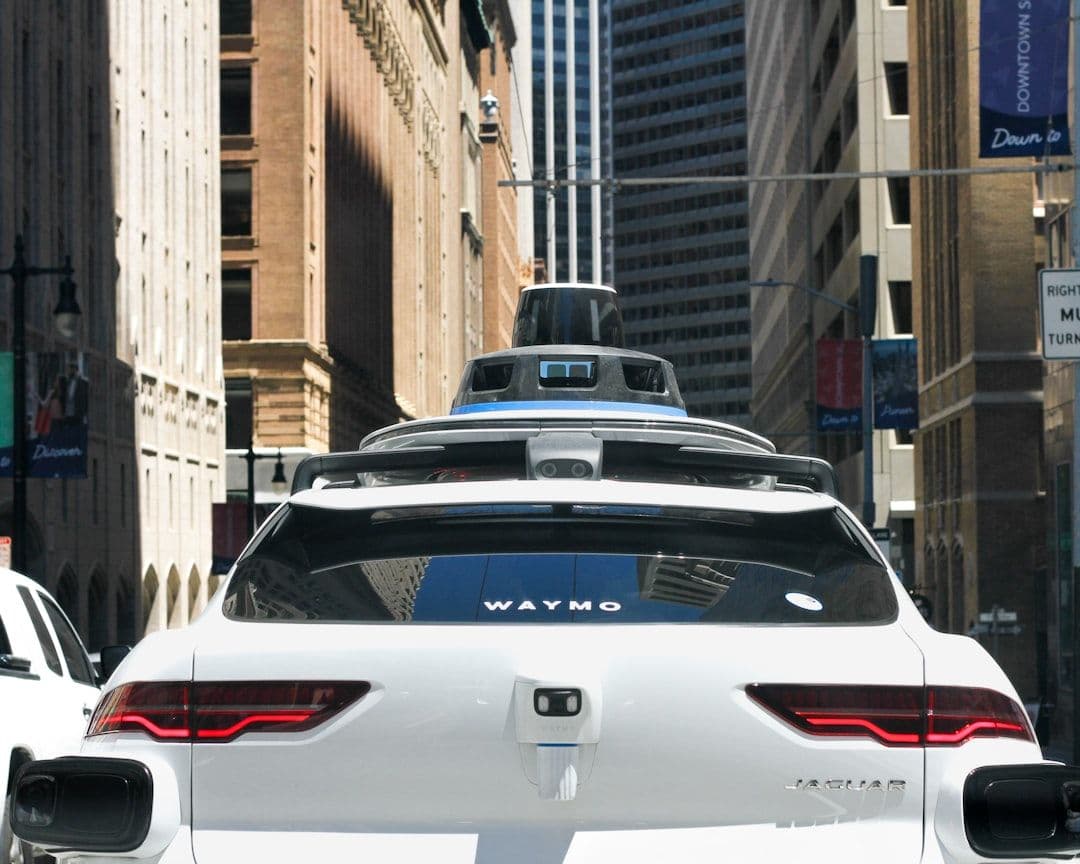
Two Giants, One Crossroads
The race to define autonomous mobility is no longer being fought only on city streets — it's playing out in policy corridors, hearing rooms, and regulatory filings. The latest flashpoint: Uber and Waymo are increasingly at odds over how the federal government should approach the regulation of robotaxis and self-driving vehicles. Their competing visions, both being aggressively championed in Washington, D.C., reveal just how much is at stake as autonomous transportation moves from pilot programs to commercial scale.
Understanding why these two companies disagree requires understanding what each one actually is — and what each one stands to gain or lose.
Waymo's Position: Earned Trust, Protected Standards
Waymo has spent well over a decade and billions of dollars developing its own end-to-end autonomous driving stack. Its vehicles — operating without safety drivers in cities like San Francisco and Phoenix — represent one of the most mature commercial deployments of full autonomy in the world.
From Waymo's perspective, the regulatory path forward should require demonstrated safety performance. The company has a vested interest in frameworks that reward deep technical investment and rigorous real-world testing. Regulations that emphasize verified autonomous capability before large-scale deployment protect the competitive moat Waymo has built through years of careful development.
Put simply: Waymo wants rules that distinguish between vehicles that are genuinely autonomous and those that are merely connected to a dispatch platform.
Uber's Position: Open the Market, Let Networks Compete
Uber's play is fundamentally different. The company exited the autonomous vehicle development business when it sold its self-driving unit in 2020. Today, Uber's strategy in the AV space is to be the platform — the network through which third-party autonomous vehicles reach passengers. It already has partnerships with Waymo and others, but its goal is broader market access across more partners and more cities.
Uber's lobbying effort, by most accounts, pushes for regulatory frameworks that are more permissive and more favorable to the aggregator model: rules that allow a wider range of AV operators to deploy quickly, with Uber's app sitting on top as the consumer interface.
This puts Uber in direct tension with companies like Waymo that want to own the full stack — hardware, software, and the customer relationship. For Waymo, an Uber-friendly regulatory environment could commoditize autonomous vehicle services in a way that undercuts its differentiation.
Why Federal Policy Is the Real Prize
Historically, autonomous vehicle regulation in the United States has been a patchwork of state-by-state rules. California, Texas, Arizona, and others have each crafted their own frameworks, creating an uneven landscape for companies trying to scale nationally. Federal-level legislation or guidance could change that dramatically — establishing a single national standard for AV testing, safety reporting, liability, and deployment.
That's exactly why Washington has become the arena. A federal framework shaped in Uber's favor could accelerate the multi-vendor, ride-hail-aggregator model. One shaped closer to Waymo's preferences could impose more stringent safety validation requirements that favor established, vertically integrated operators.
Neither outcome is obviously wrong — both companies have legitimate arguments. The real question is which philosophy best serves public safety while still allowing innovation to flourish.
What This Means for the Broader Autonomy Ecosystem
The Uber-Waymo tension is a microcosm of a much larger debate happening across the autonomous systems industry. Whether we're talking about robotaxis, autonomous drones, or mobile robots operating in public spaces, regulators everywhere are wrestling with the same fundamental questions: How do you verify that an autonomous system is safe enough to operate among people? Who bears liability when it isn't? And how do you avoid letting regulation become a tool that entrenches incumbents?
These questions are just as live in the drone industry, where the FAA is continuously refining rules for Beyond Visual Line of Sight (BVLOS) operations, and in robotics, where mobile machines increasingly share space with human workers on factory floors and in warehouses.
Edge AI platforms like the NVIDIA Jetson AGX Orin 64GB are already powering the onboard perception and decision-making systems that make autonomous operation possible in vehicles and robots alike — processing multi-sensor data in real time without relying on cloud connectivity. As these platforms become more capable and more affordable, the technical barriers to autonomy will keep falling. The regulatory and business-model barriers, as the Uber-Waymo standoff illustrates, are proving far more durable.
The Takeaway
The Uber-Waymo lobbying clash is more than a corporate rivalry — it's a preview of the governance debates that will shape autonomous mobility for the next decade. Will regulators favor vertically integrated operators who control every layer of the stack? Or will they build frameworks that support open, multi-vendor ecosystems?
For businesses and developers working in autonomous systems — from robotaxis to delivery robots to industrial drones — the outcome of these policy battles will determine the commercial landscape they operate in. Watching Washington closely isn't just for policy wonks; it's essential due diligence for anyone building in this space.
The technology is ready to move faster than the regulation. The companies that understand both — and engage with both — will be the ones that define what autonomous mobility actually looks like when it arrives at scale.
References
This article was drafted with AI assistance and reviewed before publishing.
Related reading
- Autonomous DrivingWhy Doug Field Joining Mind Robotics Is a Big Deal for Autonomous Vehicle AI
- Autonomous DrivingRobotaxis and School Zones: What the Federal Inquiry Into Tesla's AV Speed Violations Tells Us About Autonomous Driving's Hardest Problem
- Autonomous DrivingWhy a Key Regulatory Roadblock for Self-Driving Trucks Just Cleared — And What It Means for Autonomous Freight
- Autonomous DrivingRobotaxis Under the Microscope: Why Regulators Are Catching Up With Autonomous Vehicles