
DJI at IFA 2026: What to Expect From Berlin's Biggest Drone and Camera Showcase
By RobotWorld·9/2/2026
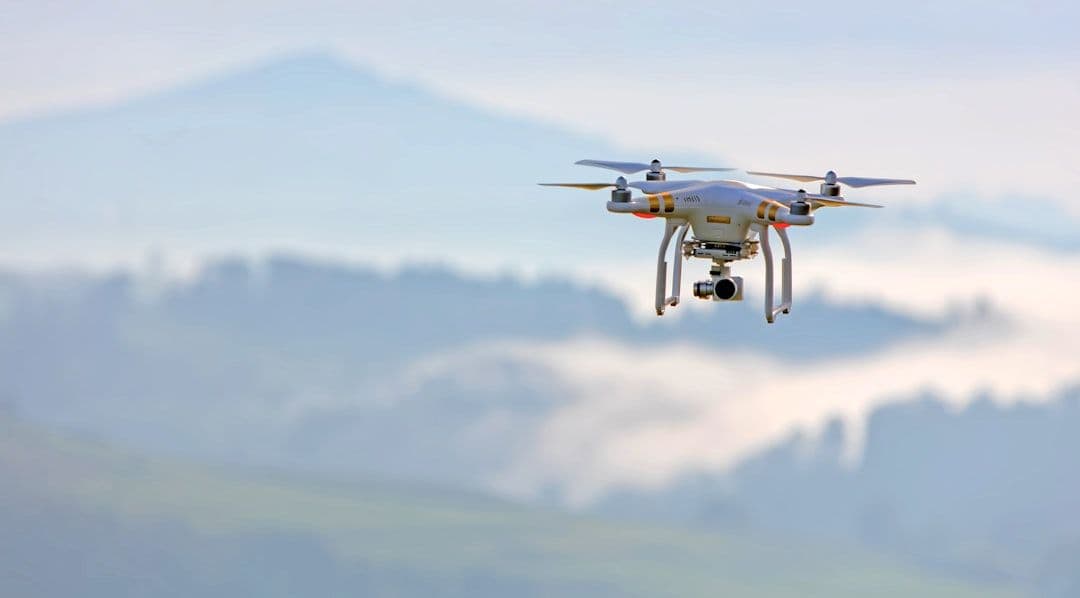
DJI has confirmed its presence at IFA 2026, the annual consumer electronics trade show held in Berlin from September 4–8, and by all indications this will be one of the company's most expansive public showcases to date. Visitors to the DJI booth won't just see drones — they'll get hands-on access to products spanning cameras, agriculture, enterprise operations, and even portable power. Anchoring the whole event is the European debut of the newly launched Osmo 360 II, a headline release that points to where DJI sees its next wave of creative growth.
The Osmo 360 II: Why a 360 Camera Matters Right Now
The Osmo 360 II is arguably the most significant product DJI is bringing to Berlin. The 360-degree camera category has matured rapidly, with creators, real estate professionals, virtual tour operators, and sports videographers all leaning into immersive content formats. For DJI — a company that built its reputation on stabilized aerial imagery — a flagship 360 camera represents a logical expansion of that core identity down to street level.
IFA 2026 will be the product's first European public appearance, meaning attendees get a genuinely rare opportunity: to physically handle and test a newly launched device before it reaches most retail shelves across the continent. Expect DJI to use this moment to court not just consumers, but content agencies, tourism operators, and media houses looking for high-quality immersive capture tools.
A Full-Spectrum Lineup, Not Just Drones
What makes DJI's IFA 2026 presence particularly noteworthy is the breadth of the demo lineup. The company has signaled that nearly every major product family will be represented, which tells us something important about DJI's strategic positioning: it no longer views itself as a pure drone manufacturer.
Consumer drones like the DJI Neo — the palm-sized, palm-launch flier designed for effortless social content — and the compact DJI Flip with its guarded propellers will likely attract first-time fliers curious about accessible entry points. Meanwhile, more serious aerial photographers will gravitate toward the DJI Mini 4 Pro, which packs omnidirectional obstacle sensing and a high-quality imaging sensor into a sub-250 g frame that sidesteps many regulatory hurdles across European airspace.
For immersive fliers, the DJI Avata 2 FPV drone is a compelling demo candidate — the kind of product that genuinely needs to be experienced firsthand to understand its appeal.
Enterprise and Agriculture: The Industrial Pivot
Perhaps the most underappreciated dimension of DJI's IFA showing is its enterprise and agriculture presence. The DJI Mavic 3 Enterprise — built for mapping, inspection, and surveying workflows with optional centimeter-level RTK positioning — represents a product tier that IFA's traditional consumer audience rarely sees demonstrated live. Having it on the floor alongside consumer gear sends a clear message: DJI wants enterprise buyers, system integrators, and agricultural professionals to understand the full depth of its ecosystem.
The DJI Agras T50 agricultural spraying drone is another standout. European precision agriculture is a growing sector, with farmers under increasing pressure to reduce chemical inputs while maintaining yield. A drone capable of autonomous variable-rate spraying across complex terrain — covering large areas per hour with radar-and-vision guidance — is exactly the kind of technology that European agri-tech buyers will want to see in person before committing to a purchase.
Portable Power: Completing the Ecosystem
The inclusion of DJI's power product line at IFA 2026 is a quietly strategic move. Portable power stations have become essential companions for drone operators in the field — keeping batteries cycling on remote shoots or agricultural runs. By showing power hardware alongside flight hardware, DJI is reinforcing the idea that it can supply an end-to-end operational toolkit, not just individual devices.
What This Means for the Industry
DJI's IFA 2026 strategy reflects a broader truth about where the drone and camera industry is heading: hardware ecosystems are expanding beyond single-category definitions. The companies that thrive in the next five years won't just make good drones or good cameras — they'll build coherent platforms that serve creators, professionals, and industrial operators through a unified product family.
For European buyers specifically, IFA 2026 offers something valuable: the chance to evaluate DJI's newest and most capable hardware in a hands-on environment, with product specialists on hand, before making purchasing decisions. Whether you're a content creator considering your first compact drone, a survey company evaluating RTK mapping tools, or an agricultural operator exploring autonomous spraying solutions, Berlin in early September is shaping up to be a worthwhile destination.
Interested in DJI hardware for your own projects or operations? Explore our full range of DJI drones and camera systems — or get in touch with our team to discuss which solution fits your workflow.
References
This article was drafted with AI assistance and reviewed before publishing.
Related reading
- DronesHow Drone Detection Software Actually Works — and Why Updates Matter
- DronesBeyond GPS: How Elsight's New Positioning Tech Could Transform Drone Navigation
- DronesEnd of an Era: The DJI Phantom 4 Pro V2.0 Is Being Retired — and What It Means for Aerial Photography
- DronesHow Faster FAA Airspace Clearance Is Changing the Way Emergency Drones Get Deployed